Causal Zap

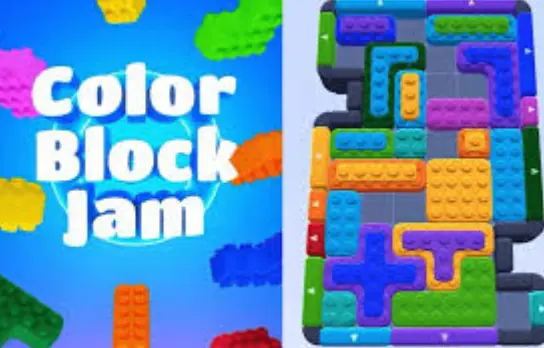
Color Block Jam

Color Block Jam is a fast, satisfying color-matching puzzle where the challenge is less about speed and more about planning clean clears. You’re given a board filled with colored blocks, and your goal is to remove blocks strategically to complete the level objective—usually clearing specific colors, freeing space, or reaching a target within limited moves. The “jam” happens when the board gets tight: one careless clear can leave awkward gaps or isolate a needed color behind other blocks. Strong runs come from reading the board early, creating larger groups, and timing clears so you don’t trap the colors you still need. It’s easy to pick up for a quick round, but it rewards thoughtful play—especially when levels start adding constraints and the margin for error shrinks.
Puzzle Games Instant play
Color Block Jam cover
Playing: Color Block Jam

How to play

Controls

  • Desktop: click (or click-and-drag, depending on the version) to select and clear matching blocks.
  • Mobile/Tablet: tap blocks to clear, or swipe/drag if the game uses drag-to-match controls.
  • Focus on clearing groups rather than single blocks—bigger clears create more space and better follow-up moves.
  • Watch the move limit or timer (if present) and plan 2–3 moves ahead.

Core rules

  • Blocks clear when you select a valid match/group (rules vary by version: often 2+ or 3+ adjacent blocks).
  • Clearing blocks changes the board state—new openings appear and remaining blocks may shift or fall into gaps.
  • Levels may require clearing specific colors, removing obstacles, or reaching a target score within a limit.
  • You win by completing the objective before you run out of moves/time; you lose if you get stuck or run out.

Goal

Complete the level objective by clearing the right colors and keeping the board from getting jammed.

Tips & tricks

Clear the jam before chasing big combos
If the board is tight or a required color is getting boxed in, prioritize opening space first. A medium clear that frees paths is often better than a flashy clear that creates awkward leftovers.
Don’t strand a required color
When a level asks for specific colors, avoid clearing around them in a way that isolates single blocks. Try to keep required colors in clusters so they remain removable later.
Use the edges as a buffer
If blocks shift/fall, work from the edges inward to avoid creating narrow pockets in the center. Central pockets are what usually cause late-game jams.
Count moves like a budget
With a move limit, treat each move as a resource. If a move doesn’t improve your board position or objective progress, reconsider—look for a clear that either removes a required color or opens the board.

Why it’s fun

  • It delivers quick, crunchy satisfaction: every good clear visibly improves the board and sets up the next move.
  • The difficulty scales through constraints and tighter boards, turning simple matching into a smart planning puzzle with a great ‘one more try’ rhythm.

FAQ

How do I play Color Block Jam and what’s the main objective?
Select blocks to clear valid matches (often 2+ or 3+ adjacent blocks, depending on the version). Each level has an objective—such as clearing specific colors, removing obstacles, or reaching a target—usually within a move limit or time limit. You win by completing the objective before you run out.
Why do I get stuck even though there are still blocks on the board?
You can get stuck when the remaining blocks can’t form valid groups under the game’s rules (for example, only single blocks remain but the game requires 2+ or 3+). This often happens after creating isolated tiles or narrow pockets that prevent future matches.
What’s the best strategy when a level requires clearing a specific color?
Avoid breaking that color into single blocks. Keep required colors clustered so they stay removable later, and clear surrounding blocks in a way that opens space instead of boxing the target color in.
Should I always clear the biggest group I can find?
Not always. Big clears are great when they open the board or remove required colors, but sometimes a medium clear is better if it prevents jams, frees trapped colors, or sets up a chain of clears over the next few moves.
How do I manage move-limited levels more reliably?
Treat moves like a budget: each move should either progress the objective or improve the board’s structure (more space, fewer isolated blocks). Plan 2–3 moves ahead and avoid clears that create awkward leftovers or isolate key colors.