Causal Zap

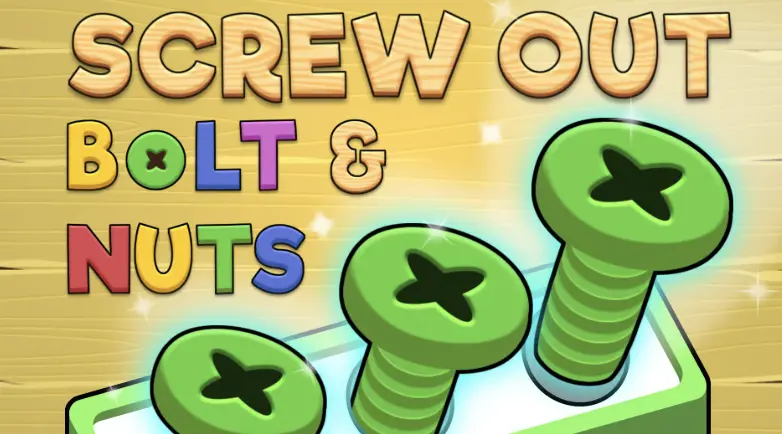
Free Screw Puzzle: Nuts and Bolts

Nuts and Bolts Screwing Puzzle is a satisfying mechanical logic game where you solve each level by removing screws, freeing metal plates, and clearing the board. It looks simple at first—tap a bolt, move it, repeat—but every stage adds constraints that turn it into a real puzzle. Some bolts are blocked by overlapping parts, some holes must stay available for future moves, and removing the “wrong” screw can trap a piece so you can’t finish. The fun comes from planning: you’re constantly deciding which bolt to unscrew first, where to place it, and how to avoid locking the structure. Each level feels like a compact brain-teaser with clear cause-and-effect, and the clicky, orderly progression makes it easy to play “just one more” stage. If you like tidy, step-by-step puzzle solving with a light engineering vibe, this one hits the spot.
Puzzle Games Instant play
Free Screw Puzzle: Nuts and Bolts cover
Playing: Free Screw Puzzle: Nuts and Bolts

How to play

Controls

  • Desktop: use your mouse to click/tap a bolt or screw.
  • Mobile/Tablet: tap a bolt to unscrew or move it.
  • If the game supports dragging: drag a bolt to an available hole (some versions auto-place after tapping).
  • Use Reset/Undo if available to fix a wrong move without restarting the entire level.

Core rules

  • Bolts can only move if they are not blocked by plates or other parts.
  • A bolt usually needs an empty hole/slot to be placed into (think of it as temporary storage).
  • Removing certain bolts releases plates; released plates may uncover new bolts or block others.
  • You clear the level by removing/freeing all required plates or clearing all bolts (depends on the level objective).

Goal

Clear the structure by unscrewing bolts in the right order without getting stuck.

Tips & tricks

Reserve at least one “parking hole”
Before you unscrew anything major, make sure you’ll still have an empty slot to temporarily place bolts. If you fill every hole too early, you can lose flexibility and trap the last few pieces.
Remove blockers before targets
If a bolt is holding down a plate that covers multiple parts, prioritize it first. Freeing a large plate early often reveals more options and prevents you from making moves that later become impossible.
Think two moves ahead when plates overlap
When two plates overlap, removing the wrong bolt can drop a plate into a position that blocks a critical bolt. Preview what will be exposed and what will be covered after each removal.
Use Undo/Reset strategically
If the puzzle has an Undo button, use it as soon as you notice a “no future moves” situation. Don’t keep tapping randomly—one precise undo saves time and keeps your mental model clean.

Why it’s fun

  • It’s a clean cause-and-effect puzzle: every unscrew changes the structure in a satisfying, logical way.
  • Short levels, clear progress, and the ‘order matters’ mechanic create a strong one-more-try loop.

FAQ

How do you play Nuts and Bolts Screwing Puzzle?
Tap or click bolts to unscrew them and move them into available holes/slots. Your goal is to remove bolts in the correct order to free the plates and clear the level without getting stuck.
Why do I get stuck even when there are bolts left?
Most levels require at least one free slot to park a bolt, and some bolts are blocked by overlapping plates. If you fill all available holes too early or remove bolts in the wrong order, you can lock the structure and have no valid moves left.
What is the best strategy for harder levels?
Plan two steps ahead. Keep a spare empty hole when possible, remove large blocking plates early, and avoid moves that would cause a plate to cover an important bolt.
Is there an undo or reset option?
Many versions include Undo or Reset. Undo is best for correcting one wrong move; Reset helps when the level is fully locked. If you see that no future moves remain, undo early instead of guessing.
Is this game skill-based or luck-based?
It’s mostly skill-based. The puzzles are about logic and sequencing—finding the correct order of bolt removals and managing space—rather than randomness.